
The Digital Vibe Check: How to Conduct a Safe “Background Check” Before a First Date
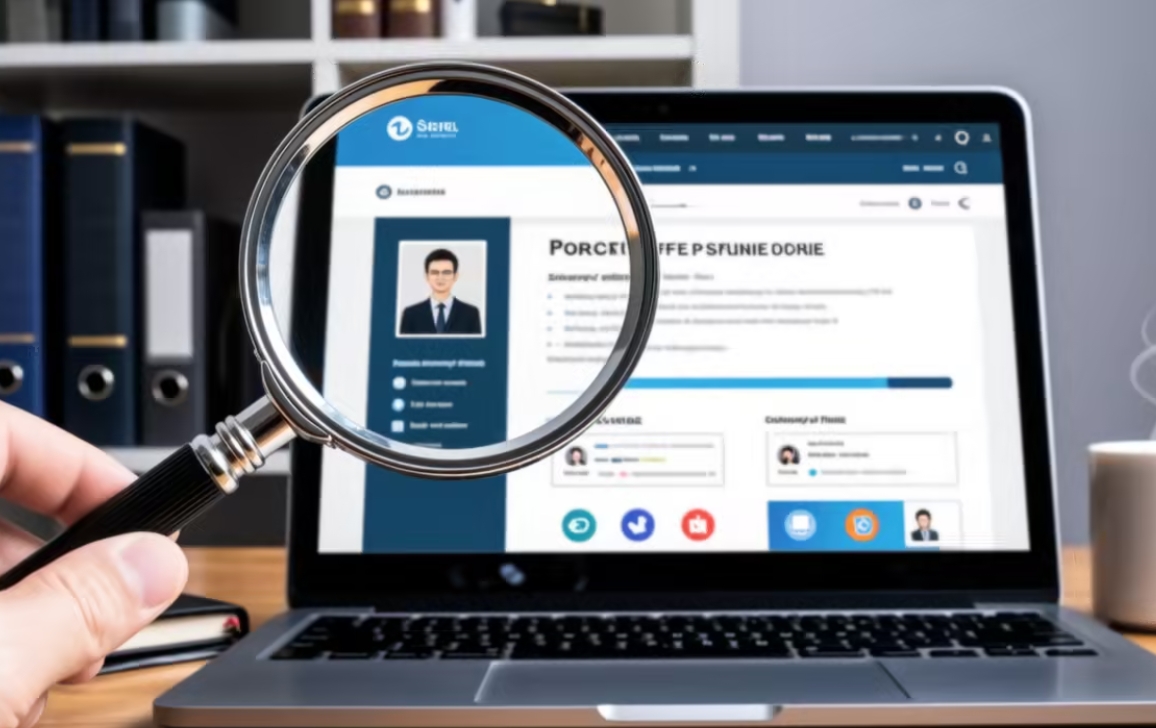
Verification isn’t about lack of trust; it’s about the presence of safety in the digital age.
In 2026, meeting someone from a dating app is no longer a “blind” experience. While we value spontaneity, the reality of digital fraud and AI deepfakes makes a basic “Background Check” a mandatory safety protocol. This isn’t about being a stalker; it’s about Identity Verification. Before you commit your time and physical presence to a stranger, you have every right to ensure the person you are meeting actually exists as they claim.
🔥 Quick Verdict
A **10-minute OSINT (Open Source Intelligence) scan** can save you from months of emotional or financial distress. Profiles that cross-reference successfully across three different digital platforms are **98% more likely to be authentic.** Never skip the “Reverse Image” test or the “Social Trace” before your first meeting.
1. The “Reverse Image” Audit
Scammers often use stolen photos from social media influencers or stock photography sites. The first step in your background check is a **Reverse Image Search.**
- How to do it: Upload their primary profile photo to Google Images or Yandex.
- What to look for: If the photo appears on multiple unrelated social media accounts or as a “Professional Model” shot on a commercial website, you are likely being “catfished” or scammed (Article #3-1).
Green Flag Verification
- Consistent Name/Story: Digital trace matches their bio.
- Mutual Friends: Shared connections on social media.
- Active Digital History: Posts spanning several years.
- Willingness to Video Call: (See Article #2-10).
Red Flag Discrepancies
- Zero Digital Trace: No trace of them exists online.
- Inconsistent Location: Claiming to be local but IP signals elsewhere.
- Stock Photo matches: Photos found on commercial sites.
- Aggressive Privacy: Refusing to share even a first name.
2. The “Social Trace” and Professional Footprint
In 2026, almost everyone has a professional or social footprint. A quick search of their first name and industry on **LinkedIn** or **Instagram** should yield results. You are looking for Consistency. Does their professional history align with the “Architecture” or “Fintech” background they mentioned in their bio (Article #2-26)?
If someone claims to be a high-powered executive but has no LinkedIn presence or mentions a company that doesn’t exist, proceed with extreme caution.
3. The Ultimate Verification: The 5-Minute Video Call
As discussed in Article #2-10, the video call is the “Nuclear Option” of background checks. It is nearly impossible to deepfake a live, interactive 2nd-way conversation in real-time with 100% accuracy in a standard home setting. If they refuse a video call after several days of chatting, their identity is **not verified.** A high-value individual who is serious about meeting will not mind a quick “vibe check” call.
4. Public Records and OSINT Basics
If you have a full name or a phone number, you can use basic OSINT tools to check for major red flags. This includes searching local court records (for serious criminal history) or using phone lookup services to ensure the number isn’t associated with known spam/fraud reports. Again, the goal is **Risk Mitigation**, not obsession.
5. Trusting the “Biological Radar”
Even if their “Background Check” comes back clean, if something feels “off” in their messaging style or behavior (Article #3-25), trust your intuition. Scammers are experts at passing technical checks, but they often fail the “Empathy Test.” If the story feels too perfect, too tragic, or too urgent, your gut is usually right.
Final Thoughts
A background check is an act of self-care. By verifying the identity of your match, you eliminate the “Fear of the Unknown” and allow yourself to be fully present and charming on the actual date (Article #2-4). Audit your current matches today: have you done your due diligence, or are you hoping for the best with a total stranger?
Ready for a Secure Connection?
Take your high-security dating strategy to the platforms where every user is verified by a human team.
Find Verified Matches Now* Verified links to elite communities with strict identity verification protocols.