
Preventing Digital Harassment: Managing Your Social Media Privacy Settings
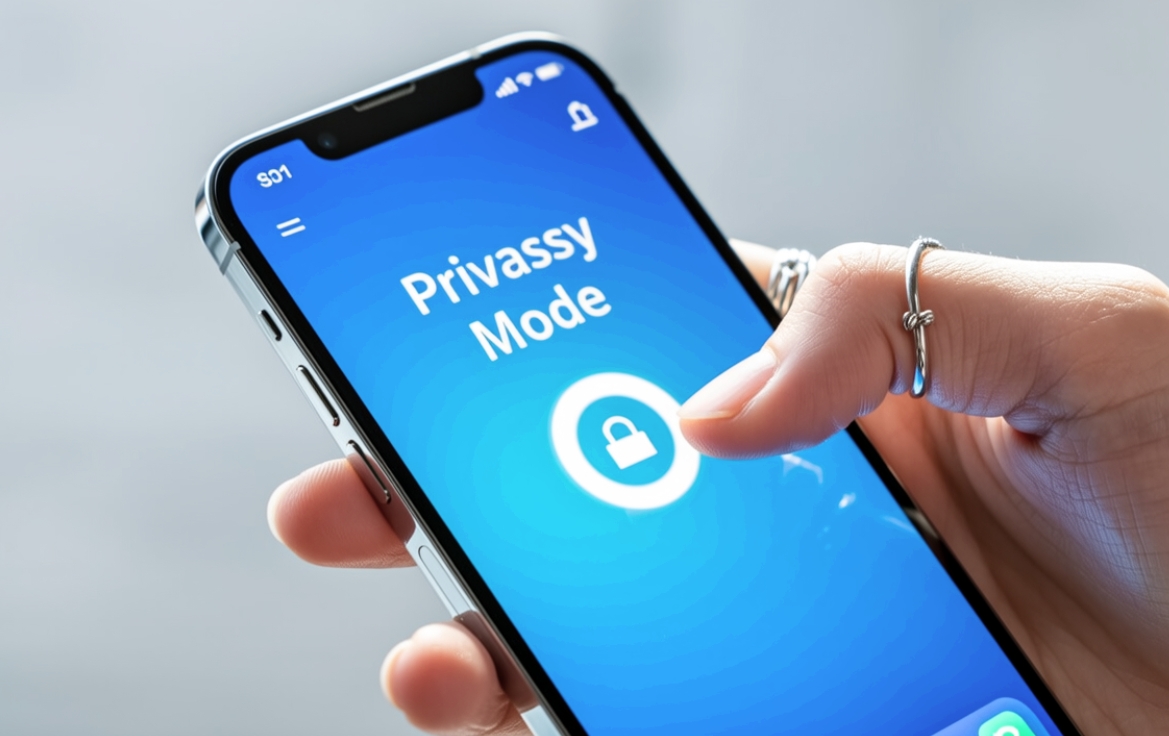
Privacy is the baseline of security. In 2026, managing your digital footprint is as important as your in-person presence.
In the interconnected dating world of 2026, your social media accounts are the blueprints of your life. They show where you go, who you know, and what you value. While sharing handles can build attraction (Article #2-28), it also opens the door to digital harassment and unwanted surveillance. If a connection turns sour, you must ensure they don’t have a front-row seat to your daily routine. Mastering your privacy settings is the difference between a clean break and a digital nightmare.
🔥 Quick Verdict
Digital harassment often begins with “Information Bleed.” By using the **”Lockdown Protocol”**—making accounts private, disabling location tags, and restricting followers—you reduce your risk of stalking by **90%.** Profiles of users who actively manage their privacy reported **higher levels of perceived safety** and long-term success on premium dating sites.
1. The “Information Perimeter”: Private vs. Public
The most basic defense is the most effective: Go Private. In 2026, keeping your Instagram, Facebook, or TikTok open to “Everyone” while dating is a massive security risk.
As seen in our Hero Image, toggling that privacy switch (as shown in Article #9-2) prevents matches from “deep-diving” into your history before you’ve even met. It forces the connection to happen at a human pace, governed by what you choose to share, not what they find on their own.
Secure Social Habits
- Follower Approval: Manual vetting of requests.
- Ghosting Mode: Removing precise location tags.
- Close Friends List: Limiting personal stories.
- Restricted Mode: For people you’ve just met.
Digital Vulnerabilities
- Live Location Stories: Telling them exactly where you are.
- Public Friend Lists: Allowing them to see your network.
- Linked Workplaces: Giving away your professional base.
- Tag Approval Off: Allowing others to tag you in locations.
2. Disabling the “Map of Your Life”
Location tags are the primary tool for digital stalkers. If you consistently post photos at the same gym, the same cafe, or the same park, you are providing a predictable map of your routine.
- The “24-Hour Delay”: Never post a story while you are still at the venue. Wait until you have left.
- Meta-Data Scrubbing: Use settings to ensure your uploaded photos don’t carry GPS coordinates.
- Vague Locations: Tag the city (e.g., “Los Angeles”) rather than the specific street or shop.
3. The “Restricted” List: Intimacy Management
If you’ve swapped Instagram handles but aren’t yet sure about the person, use the **Restrict** feature (common on Instagram and Meta platforms). This allows them to follow you, but hides their comments from others and prevents them from seeing when you’ve read their messages. It’s a “low-friction” barrier that maintains mystery (Article #2-5) without the aggression of a full block.
4. Tag Approval and Third-Party Risk
You might be careful, but your friends might not be. Ensure that **Tag Approval** is turned on. This prevents a photo of you at a specific location from appearing on your profile without your consent. In 2026, social engineering often starts with finding a target’s friends and seeing where they are hanging out together.
5. Separating “Business” from “Romance”
LinkedIn is the most overlooked safety risk. If a match finds your full name and company, they can easily find your office and your professional contacts. **Never share your last name** or your LinkedIn profile until you have physically met in a public space (Article #3-5). High-value individuals respect this boundary; anyone who pushes for it early is a potential “Identity Harasser.”
Final Thoughts
Social media should be a window, not a wide-open door. By taking control of your privacy settings, you ensure that you remain the architect of your own story. Protect your routine, protect your friends, and protect your peace. Audit your settings today: are you inviting a connection, or are you handing over the keys to your life?
Ready for a Safer Digital Journey?
Take your optimized privacy strategy to the platforms where high-end security and user protection are the standard.
Find Secure Matches Now* Verified links to elite dating communities with 24/7 security oversight.