
Facing “Catfishing” Accusations: How to Balance Enhancement and Authenticity
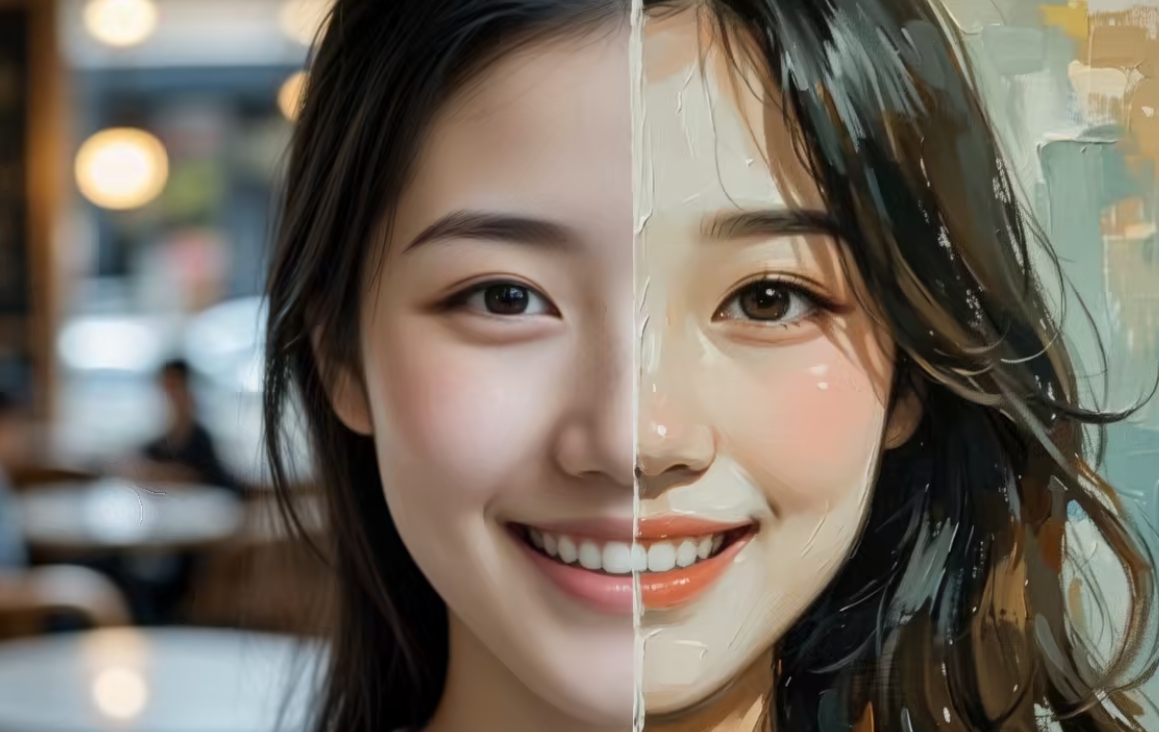
The biggest fear in modern dating isn’t rejection—it’s the “First Date Reveal.” We’ve all heard the horror stories: matching with someone who looks like a movie star on screen, only to meet someone completely unrecognizable in person. In 2026, with the rise of AI filters and advanced editing, the line between **”best self” and “fake self”** has blurred. To build a lasting connection, you must master the delicate art of enhancing your features without crossing the line into “catfishing.”
🔥 Quick Verdict
Authenticity is the **ultimate trust signal.** While it’s acceptable to edit for lighting or temporary blemishes, altering your facial structure or body shape is a recipe for disaster. Profiles that showcase a “polished yet real” aesthetic receive **3x more second dates** than those that rely on heavy filters. Don’t sell a dream that the reality can’t deliver.
1. Defining the “Enhancement” Limit
There is a social contract in online dating: everyone understands that you are presenting your best version. Enhancing a photo’s color, removing a temporary pimple, or fixing “red-eye” is standard practice. However, “catfishing” begins when you alter **permanent features.**
If you change the shape of your nose, the color of your eyes, or use AI to remove 20 pounds of weight, you are building a relationship on a lie. The goal should be that when you walk into a coffee shop, your match thinks, “You look just like your photos,” not “Wait, who is this?”
Acceptable Tweaks
- Lighting/Brightness: Making the image pop.
- Color Grading: Creating a “vibe” or mood.
- Removing Blemishes: Only temporary ones.
- Cropping: Improving the composition.
Catfishing Red Flags
- Structural AI: Changing facial bone structure.
- Body Liquifying: Warping the background.
- 10-Year-Old Photos: “I used to look like that.”
- Total Smooth Skin: Losing all skin texture.
2. The “10% Rule” for Editing
Professional retouchers often follow the **10% Rule**: if you can notice the edit in less than three seconds, you’ve gone too far. High-quality editing should be invisible. It should highlight the natural beauty that was already there, not create a new version of beauty. Use filters at 20% opacity rather than 100%. Keep the “grit” of reality—it’s what makes you relatable.
3. Leverage Video for Trust
In 2026, the most trusted profiles aren’t the ones with the best photos; they are the ones with a **Video Prompt.** Including a 15-second clip of you talking or laughing proves that you are a real person with a consistent appearance. It acts as an “insurance policy” against catfishing accusations and significantly increases your match-to-date conversion rate.
4. The Psychology of Distrust
When a user sees a profile that is *too* perfect, their subconscious brain triggers a warning. They assume there’s a catch. By allowing small imperfections—a stray hair, a natural wrinkle, or a less-than-perfect background—you actually become **more attractive** because you appear “safe” and “real.” Perfection is intimidating; authenticity is inviting.
5. Avoiding the “Bot” Aesthetic
Heavily edited photos often share the same “flat” lighting and “plastic” texture as AI-generated bots. To ensure you aren’t mistaken for a scammer, focus on **Dynamic Environments.** Take photos in locations with complex shadows and textures (see Article #5). This is difficult for simple filters to process correctly, proving to the viewer that the person in the photo is truly standing in that space.
Final Thoughts
A match based on a lie is a waste of everyone’s time. By balancing enhancement with authenticity, you ensure that the attraction built online survives the transition to real life. Review your gallery today: are your photos a tribute to your best self, or a fictional character?
Ready for a Real Connection?
Take your genuine, optimized profile to the platforms where honesty and character are the standard.
Find Authentic Matches Today* Verified links to elite communities with a zero-tolerance policy for fake profiles.